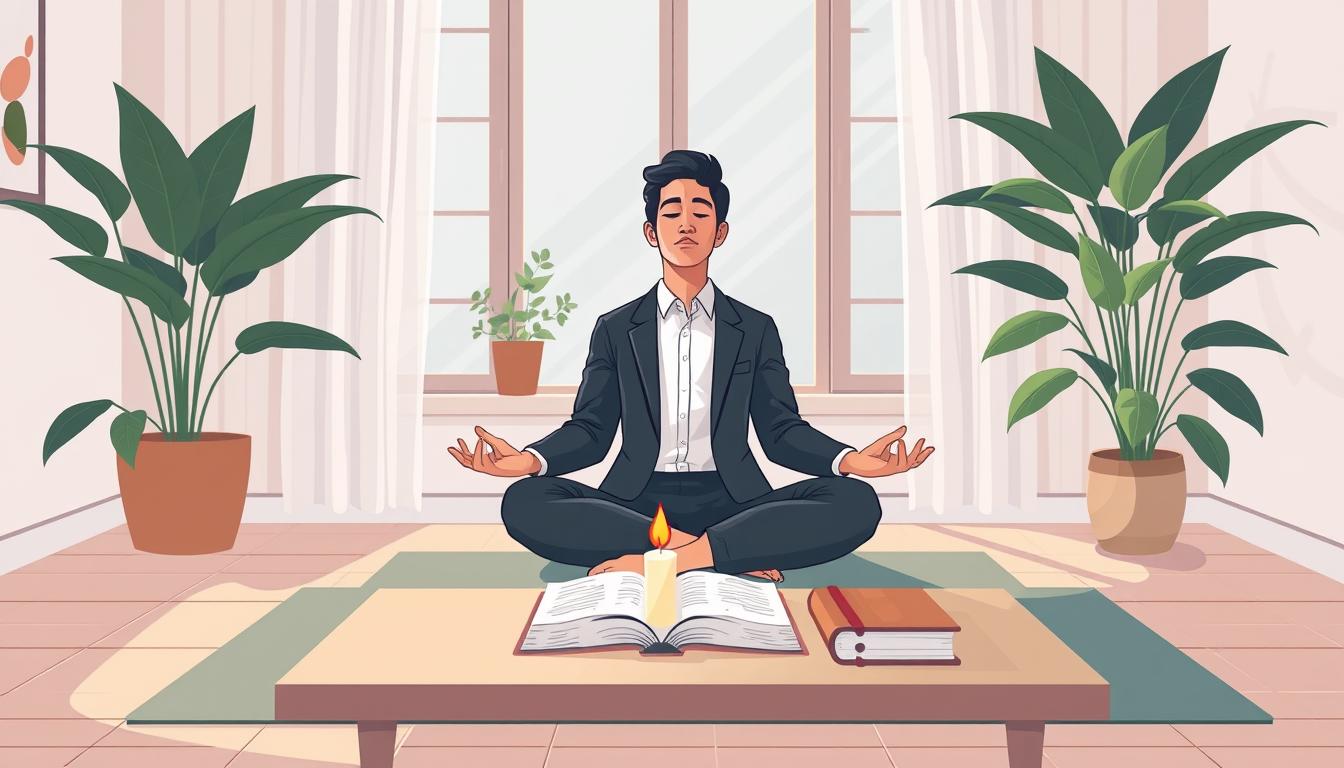
Practical self awareness practices are key to lasting personal growth. Research shows that short habits, like naming an emotion or taking a few deep breaths, help us pause. This pause makes our brains better at handling emotions and making decisions.
Even though many think they know themselves well, studies show a big gap. This gap makes it important to work on self discovery. Small actions, like taking a moment to reflect or journaling, can make a big difference. They help us stay true to our values and become more resilient.
In this article, you’ll find practical tips and tools for self awareness. We’ll cover journaling, mindfulness, and getting feedback. We’ll also talk about long-term strategies like setting goals and attending workshops. These methods are backed by research and top platforms like nextself.ai.
Understanding Self Awareness and Its Importance

Self awareness means knowing your thoughts, feelings, and how you act. It helps you make choices and deal with stress. It also shapes how you connect with others.
Definition of Self Awareness
Self awareness has four main parts. Internal self-awareness helps you understand your values and patterns. External self-awareness shows how others see you.
Mindful self-awareness is about being present and observing without judgment. Social self-awareness helps you fit into groups.
Metacognitive awareness is key to mindful self-awareness. It involves thinking about your own thinking. Techniques like observing your thoughts and labeling your feelings help you make better choices.
Benefits of Being Self Aware
Being self aware has many benefits. It helps you control your emotions and make better decisions. It also improves how you interact with others.
Practicing mindfulness can reduce stress and improve focus. It strengthens your brain’s ability to stay calm. Naming your emotions can calm your brain and help you focus.
Regular mindfulness can make you more aware and focused. It can also lower anxiety and stress. Being aware of how others see you can make your interactions better.
Connection to Personal Growth
Self awareness is key to growing as a person. It helps you see what needs to change. Using tools and methods can help you take action.
Emotional intelligence helps you handle challenges better. It builds resilience. Adding healthy habits like sleep and exercise can help you grow faster.
- Self awareness tips: schedule short, regular self reflection exercises each day.
- Self discovery tools: use journaling, feedback, and personality inventories to map patterns.
- Personal growth strategies: combine micro-practices with goal-setting and review.
Intensive programs like the Hoffman Process can help you deeply change. See them as additions to your daily self reflection, not a replacement.
Practical Self Awareness Practices to Implement
Start with short, actionable routines. Mix self reflection, mindfulness, and feedback for steady progress. Use simple tools and habits that fit into daily life. Here are some practices to try this week.

Journaling your thoughts and feelings
- Use affect-label journaling: name emotions precisely—words like irritated or uncertain—to reduce intensity and increase clarity. This technique fits many self awareness activities.
- Try pattern mapping: note triggers, reactions, and outcomes. These notes act as self discovery tools for recurring habits.
- Nightly values reflection: spend five minutes listing choices that felt aligned or draining. Rate alignment to guide future decisions.
- Formats to use: free-writing for observing thought flow, prompted entries for values, and the Thought Stream Technique for timed captures. Habit-stack journaling with morning coffee or an end-of-day wind-down to ensure regular practice.
Mindfulness meditation techniques
- Name your emotions. Try the 5-Second Label Trick to create a mental gap and lower reactivity. This is part of emotional intelligence practices.
- Scan your body. Short head-to-toe checks (10–15 seconds per area) help locate tension and improve interoception.
- Observe thoughts. Pause for 30 seconds to notice mental narratives or use the Thought Stream Technique with phone alerts.
- Practice mindful moments. Slot micro-practices into transitions—waiting for coffee or between meetings—to strengthen regulation.
- Shift perspective. Use STOP, H.A.L.T., or visualization like a mountaintop gaze to decenter from stress-driven focus.
- Brief, frequent sessions improve executive function, lower anxiety, and support self development methods. Apps such as The Mindfulness App can guide consistency over length.
Seeking feedback from trusted sources
- Treat feedback as a path to external self awareness. Ask for specific observations and examples.
- Respond by thanking the giver and reflecting later to avoid defensiveness. Integrate useful points into your journaling and pattern maps.
- Use structured approaches: informal 360-style reviews with peers, mentor check-ins, and post-interaction analysis to note wins and areas to adjust.
- Balance incoming input with your internal values to prevent people-pleasing. Combine feedback with mindful observation and self reflection exercises to turn insight into behavior change.
Pair these self awareness practices with emotional intelligence practices and self awareness tips. Make each habit sustainable. Small, repeated actions become powerful self discovery tools that support long-term growth.
Long-Term Strategies for Enhancing Self Awareness
Setting goals helps make self awareness last. Use SMART criteria for setting reflection goals. Break big goals into small steps.
Link each step to daily habits and journaling. This makes progress clear and keeps you motivated.
Setting Personal Goals for Reflection
Do a monthly self-awareness check. Rate yourself on internal, external, mindful, and social awareness. Focus on the lowest area.
Make goals match your values. This makes improvement meaningful and keeps you going. These strategies make insight a habit.
Participating in Self Development Workshops
Workshops and group programs offer guided introspection. Choose ones with proven methods like mindfulness. This speeds up learning.
Use journaling and accountability to keep workshop lessons daily. This helps you stay on track.
Utilizing Personality Assessments
Tools like the Big Five assessments show your strengths and weaknesses. See them as guides, not labels. Use feedback to plan self development.
Pair assessment results with outside opinions and reflection. This helps you focus on growth and skills.
Engaging in Regular Self-Reflection
Regular reviews and audits help you grow. Practice nightly values reflections and quick self-checks. This catches patterns early.
Daily habits, structured reflection, and feedback lead to growth. This mix builds resilience and supports lasting personal growth.